


Flavors from the Edo and Meiji Period Course
About the reservation method
Reservations can only be made online through the TableCheck portal. Please note that phone reservations will not be accepted.
Tapping (or clicking) on a food image will allow you to view detailed information about the restaurant.
Explore by Genre
Explore by Special Features
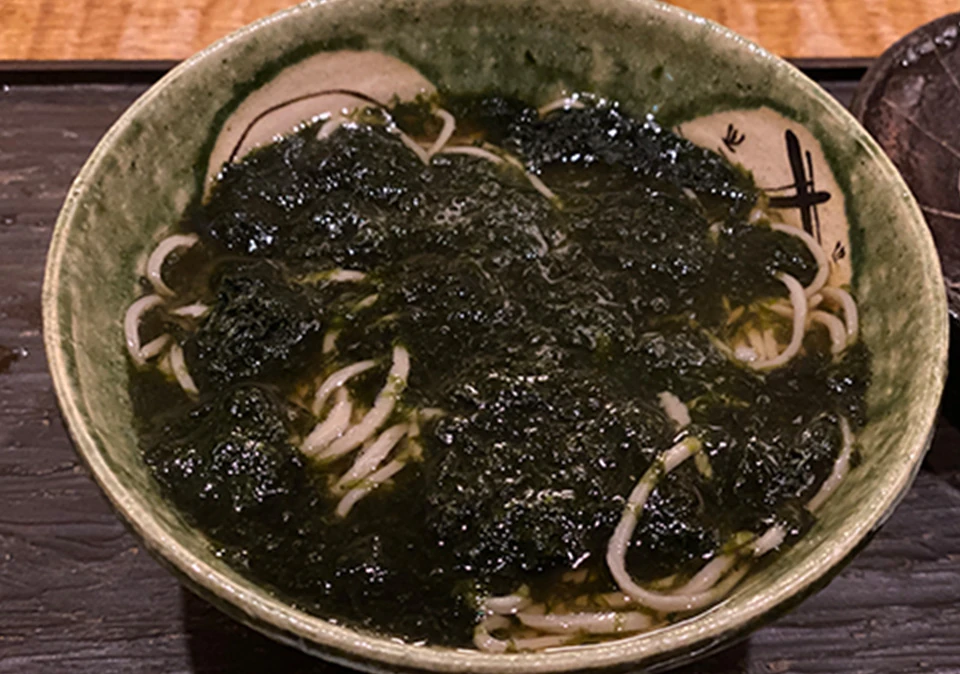
Asakusa Hirayama Tawaramachi
Hanamaki Soba
Head chef Shu Hirayama
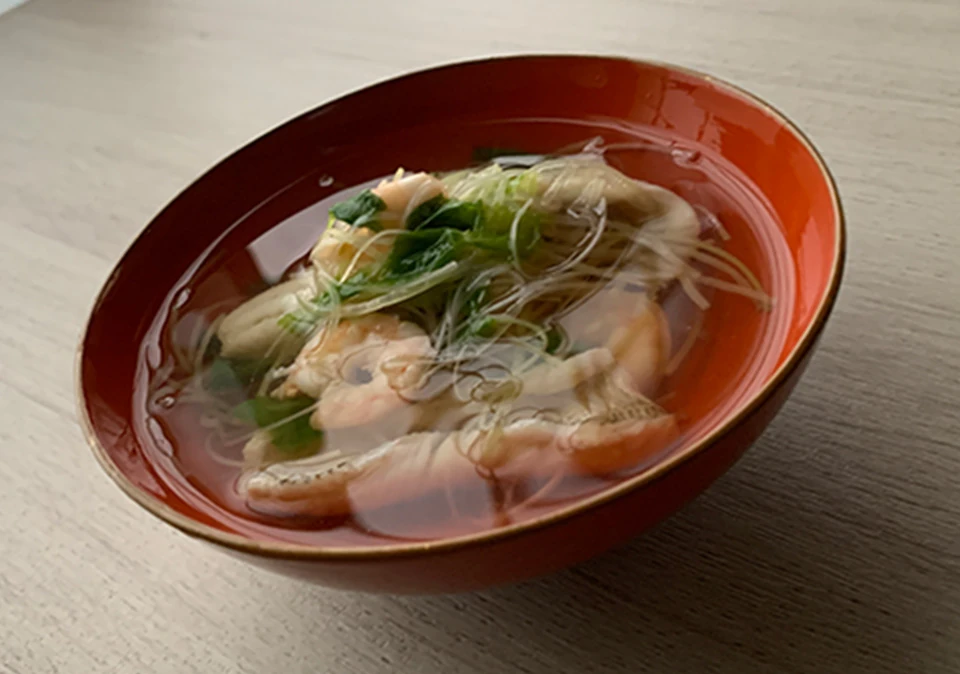
Edomae Shibahama Shinbakoen
Edo Okazuban-tsuke Course
Head chef Hiroshi Kaibara
Pick Up
The “Edo-style Shibahama” presents the “Edo-style Banquet Course,” a special menu inspired by the “Edo-style Banquet Rankings.” This concept ranks popular side dishes enjoyed by commoners during the Edo period, modeled after sumo rankings. It features modern reinterpretations of beloved dishes from that era, such as “Shimajō Wan” made with Shiba shrimp—originally a specialty of Edo (Tokyo)—“Kiji-yaki” prepared with tuna, and the fragrant “Kohada Daikon.” Chef Umihara presents a harmonious blend of history and flavor, conveying the sophistication and culinary culture of Edo to the present day.
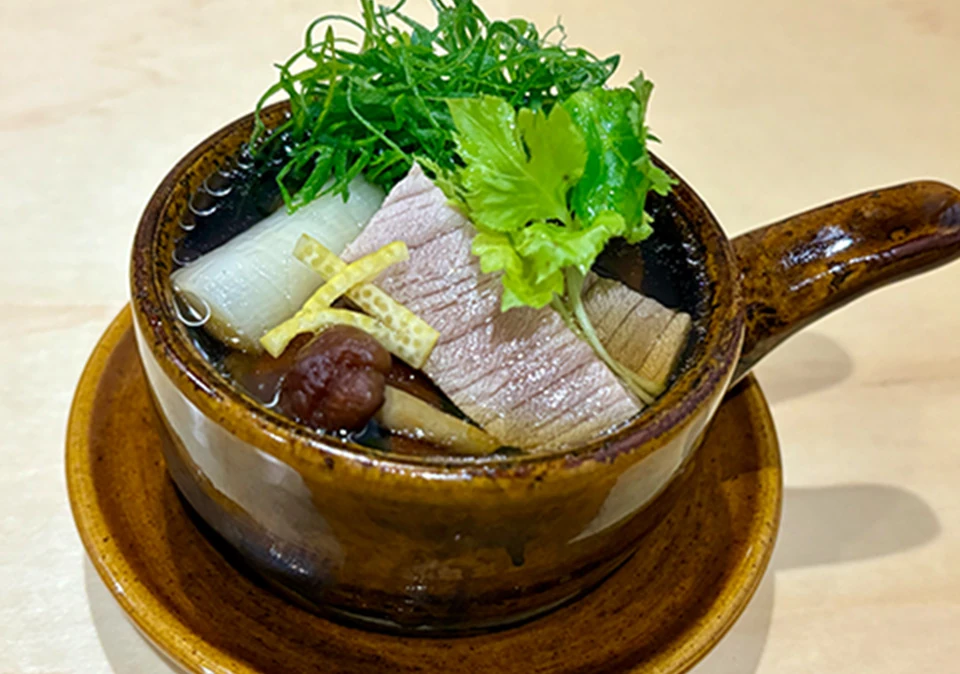
Oryori Horiuchi Akebonobashi
Negima Mini Hot Pot
Head chef Sayaka Horiuchi
Pick Up
This special feature reimagines the traditional regional dish “Negima Nabe,” passed down since the late Edo period, with a contemporary twist. Centered around flavorful Senju onions from Edo Tokyo Vegetables and rich, fatty tuna, this deeply satisfying dish combines aromatic mushrooms and tuna stomach. Once beloved as a commoner's favorite, yet temporarily forgotten, we bring “Negima” back to the table. With respect for fish-based culinary traditions connecting past, present, and future, we present this special hot pot brimming with nourishing flavor and warmth.
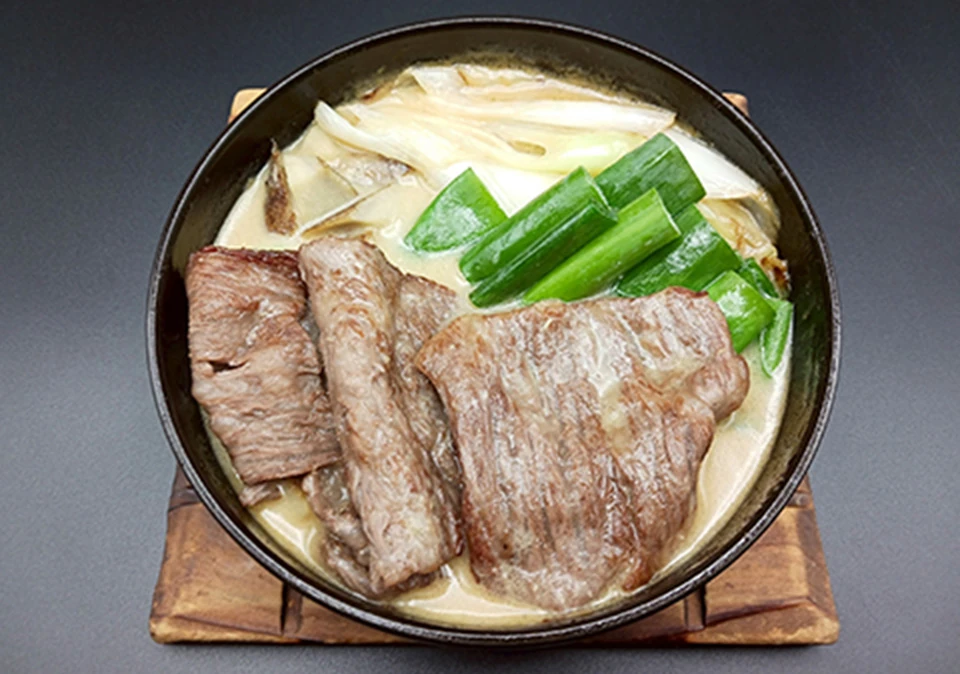
GINZA YOSHIZAWA NIKUDOKORO Ginza-itchome
White Beef Hot Pot Set Meal: Recreating the Flavors of the Meiji Era
Head chef Naoki Kanemura
Pick Up
Ginza Yoshizawa's Centennial Special: ‘White Beef Hot Pot Meal Set’ (¥3,800), recreating the flavors of the Meiji era. Experience the taste of Tokyo's “beef hot pot boom,” which saw 550 restaurants thrive during the Meiji period, recreated exclusively for lunch. Yoshizawa, which began its business with Ise beef (Matsusaka beef), has revived the taste of the Meiji era's enlightenment, centered around Kansai-style white miso. The sirloin is hand-cut piece by piece by our chefs. It is served with sansho pepper; adding it to taste further enhances the aroma and umami.
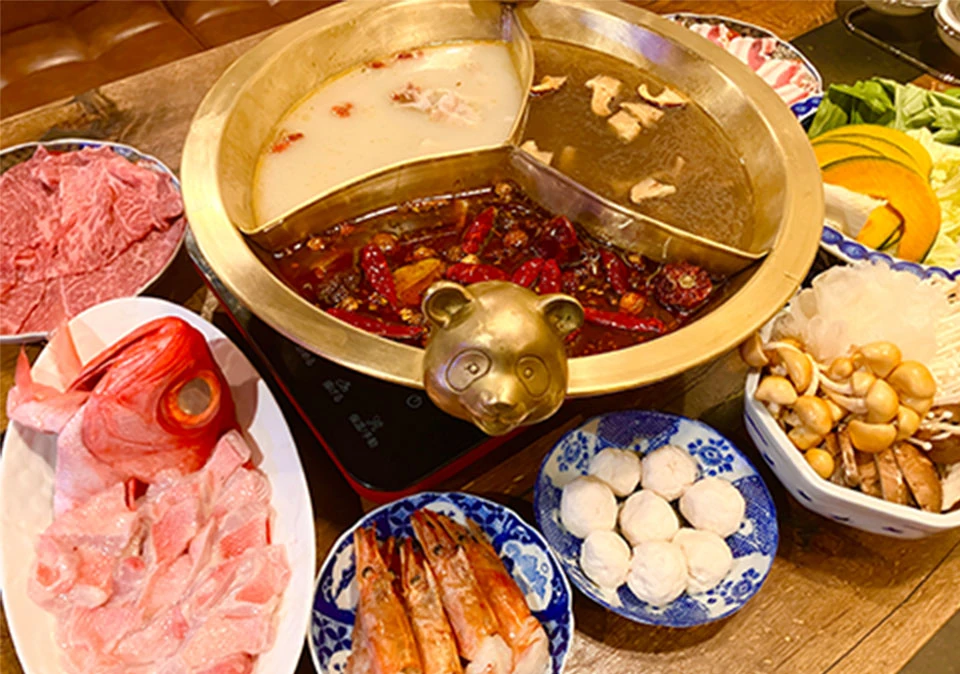
Shisen Ryouri KAE Otsuka
Three-Color Hot Pot Course Featuring Mapo Tofu Made from a 150-Year-Old Recipe
Head chef Hiroshige Tanaka
Pick Up
At the renowned Sichuan restaurant 【Sichuan Cuisine Hanashige】, we are pleased to offer a special limited-time “Three-Color Hot Pot Course” featuring our signature dish, often hailed as one of Japan's Three Great Mapo Tofus. Faithfully recreating a 150-year-old recipe, our Mapo Tofu captivates with its aromatic, deeply layered spiciness. This exclusive offering includes this dish—normally ordered separately—allowing you to savor the essence of Sichuan cuisine alongside a hot pot featuring three distinct broths. Experience the robust yet delicate flavors that carry on the spirit of master chef Zhao Yang, accompanied by heartwarming service.
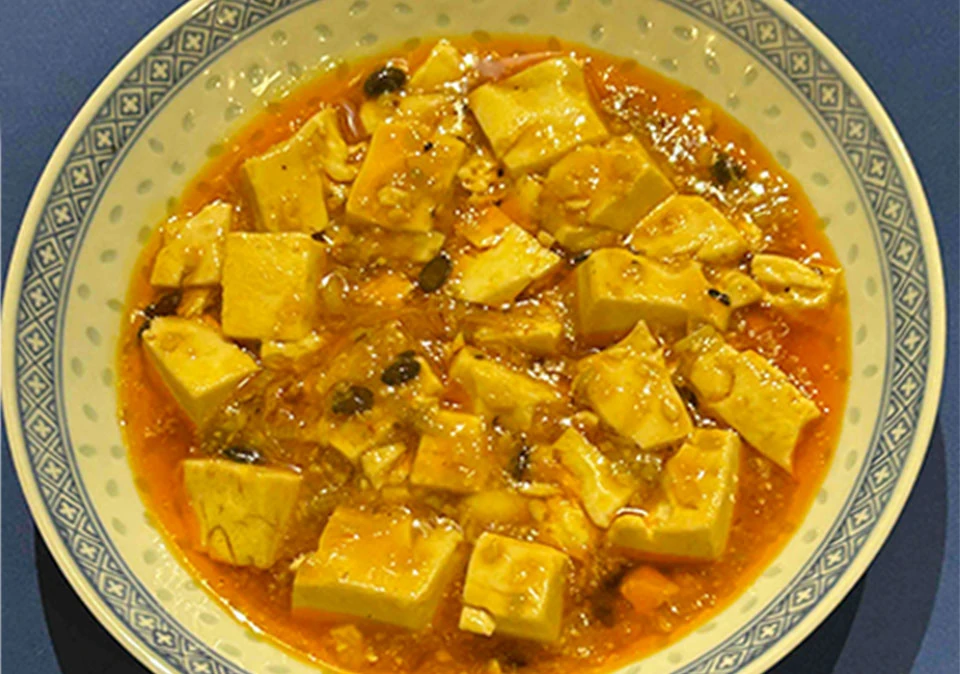
Shisenryouri Hashoku Ginza
Special Course with 1862 Edo-era Mapo Tofu
Head chef Ryohei Ogino
Pick Up
This special course (¥11,000 including tax) recreates the mapo tofu enjoyed in China during the Edo period (1862). Long before mapo tofu reached Japan, we revive the original flavor born in Sichuan using modern techniques. Spices and cooking methods reference historical texts, creating a composition steeped in history. Iconic Sichuan dishes from each era—such as bang bang chicken, dan dan noodles, and water-boiled beef—also appear, allowing you to experience a “culinary time travel” with each dish.
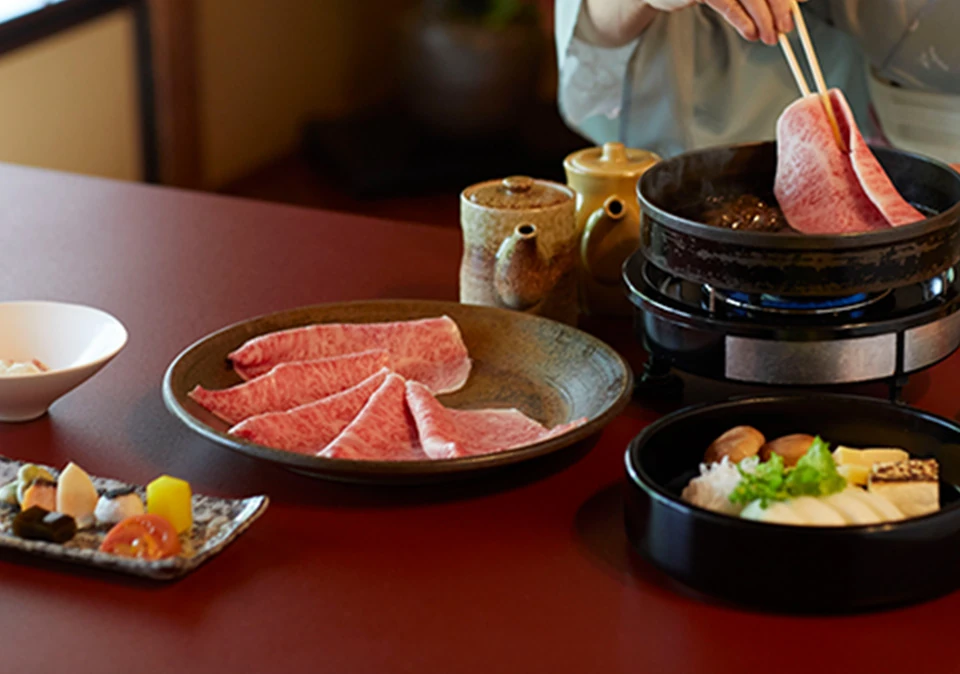
Sukiyaki Kappou Hiyama Ningyocho
Meiji-Era Revival Beef Hot Pot ~Edo-Style Vegetables and Red Miso Broth~
Head chef Hiroshi Kobayashi
Pick Up
Special Offering from Sukiyaki Restaurant Hiyama: “Meiji-Era Revival Beef Hot Pot ~Edo Vegetables and Red Miso Broth~”. We've recreated an early Meiji-era beef hotpot based on historical texts, interpreted in Hiyama's signature style. Featuring cubed Japanese Black beef loin, it boasts a deep flavor from red miso blended with our secret broth. Garnished with Senju green onions and komatsuna greens evoking Edo aromas, this dish harmonizes nostalgia with innovation. Finally, savor every last drop of umami with the finishing udon noodles, reviving the taste of the Meiji era for today.
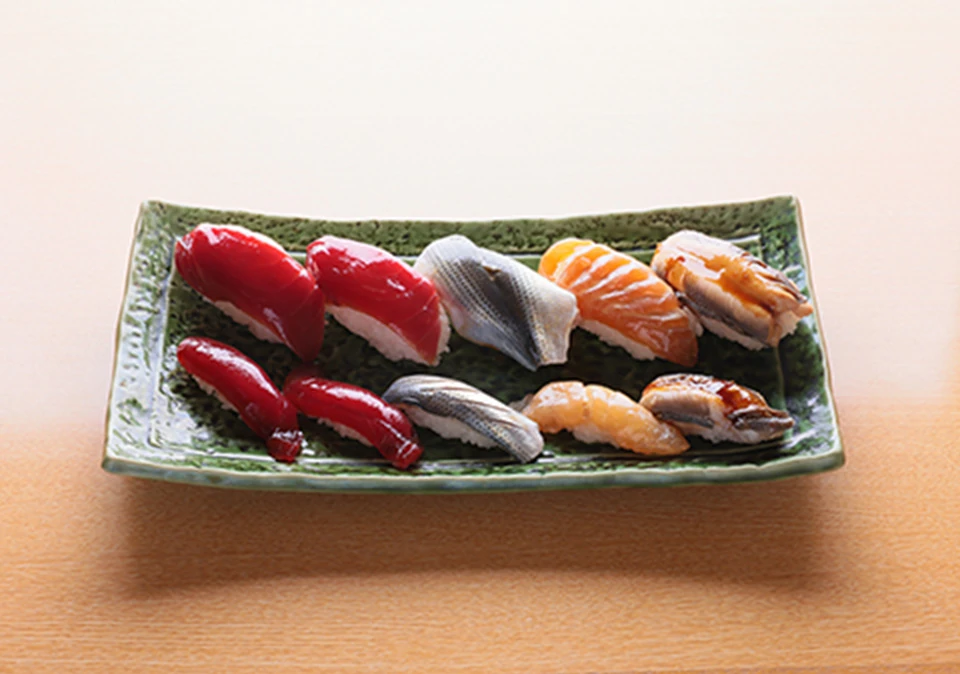
Sushi KARAKU Ginza
Oversized Edo-style sushi
Head chef Kiminari Togawa
Pick Up
Sushi Karaku, a renowned Ginza sushi restaurant, recreates the Edo-period “onigiri-like nigiri”—each piece weighing about 50g—on its lunch menu. Though the rice portion is about three times larger than today's standard, the perfect balance of the vinegared rice's mild acidity and the topping's rich umami means you'll find yourself polishing it off before you know it. Savor five pieces of this robust yet delicate Edo-period flavor, recreated through the skilled craftsmanship of master artisans. Takeout (reservation required) is also available, making it an excellent choice for a gift that captures the sophistication of the era.
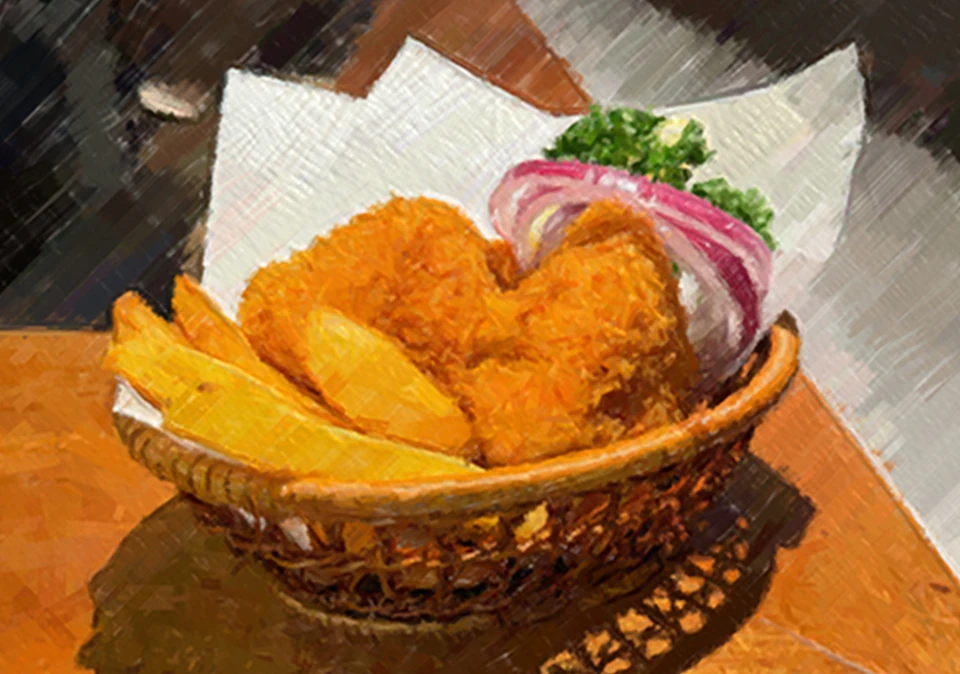
TARO azabujuban Azabu-juban
Chicken Basket
Head chef Tadashi Iwamoto
Pick Up
Ginza Candle, the renowned restaurant that introduced Japan's first “Chicken Basket” in Ginza immediately after the war. This successor establishment is helmed by Tadashi Iwamoto, the third-generation proprietor carrying on that tradition. We now present the “Evolved Chicken Basket”—a modern reinterpretation of the legendary flavor using contemporary techniques. Tottori Prefecture chicken breast is marinated in a secret marinade, coated in a light batter, and fried to a fragrant crisp. Surprisingly juicy and delicious even when cooled, this masterpiece carries on the legacy of the “origin of Japanese Western cuisine” beloved by authors like Yukio Mishima and Yasunari Kawabata, and performer Akihiro Miwa.
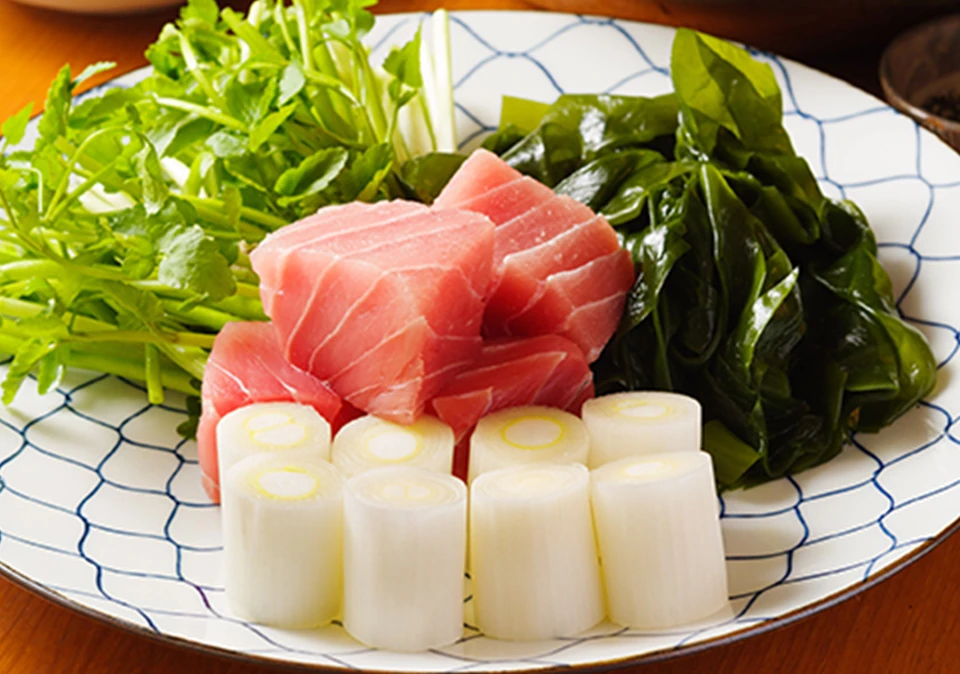
Negima Otsuka
Negima Hot Pot
Head chef Kimiyo Nagahashi
Pick Up
Negima hot pot, born from the wisdom of commoners in Edo's downtown. Back then, fatty tuna belly was discarded, but simmering it yields astonishing tenderness. The sweetness and umami of long green onions blend into an exquisite flavor. A sprinkle of fragrant black pepper revives the essence of Edo. For the finale, savor pepper rice made with the broth that absorbed all the deliciousness. This dish evokes a nostalgic feeling and keeps you coming back for more. We also offer an assortment of smoked dishes beloved since the Edo period. Savor these timeless flavors alongside the nourishing tastes of today.
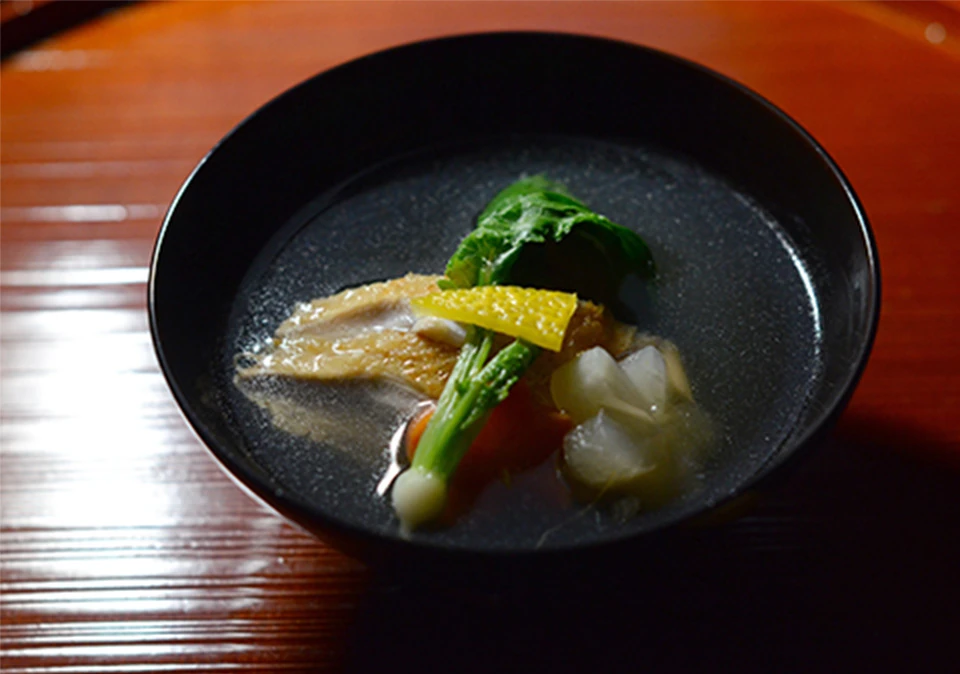
Nogizaka-Shin Nogizaka
Pheasant Soup with Mochi
Head chef Shinji Ishida
Pick Up
This special project revives the traditional New Year dish “Kiji Zōni” (pheasant soup), which has long adorned Japanese New Year celebrations, with Nogizaka Shinnara's unique sensibility. Originally, zōni was a celebratory meal where offerings to the New Year deity were cooked and eaten. From the Edo to Meiji periods, pheasant zōni was served as the imperial court's New Year's feast. Drawing on this history, we've reconstructed a deeply satisfying bowl, weaving together the rich umami of rare pheasant meat and an elegant broth. It's a special New Year's dish, fusing tradition and innovation, available only here.
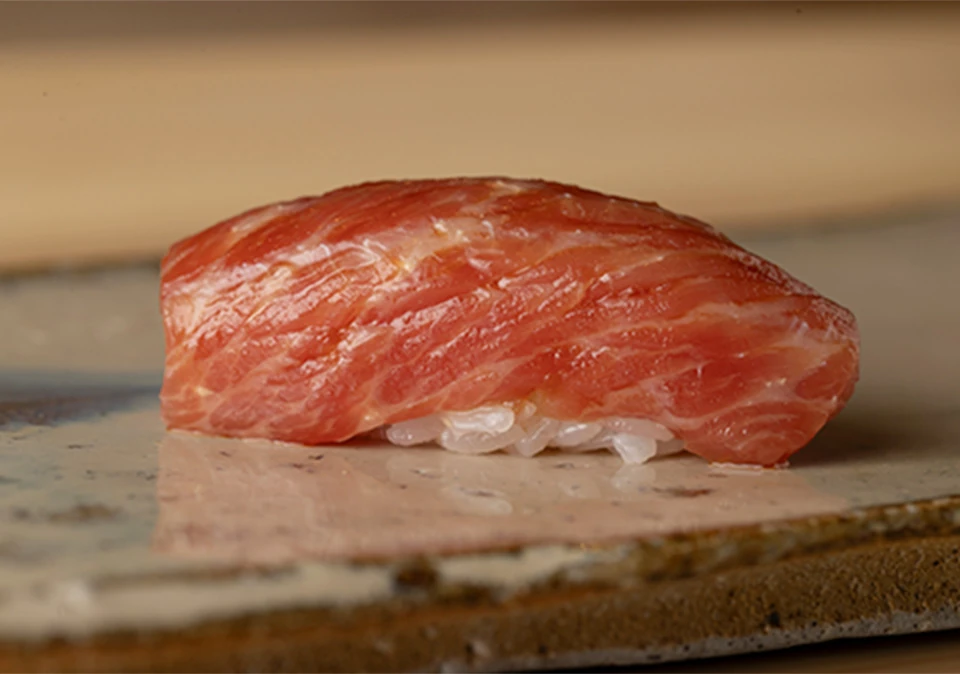
Mitsui Azabu-juban
Whale Tail Nigiri
Head chef Sho Mitsui
Pick Up
This special offering features rare whale tail meat prepared as nigiri. We've elegantly finished this prized cut—considered the finest among whale parts rarely encountered today—with condiments and white vinegared rice. Savor the harmony of its chewy texture, deep umami, and refreshing acidity paired with Japanese sake. Mitsu is a renowned establishment where the beauty of its nigiri, the character of its master, and its selection of sake form a perfect trinity. This skilled establishment shines with sushi featuring delicacies woven into its gentle vinegared rice, finished with Mitsukan's Shirakiku vinegar.
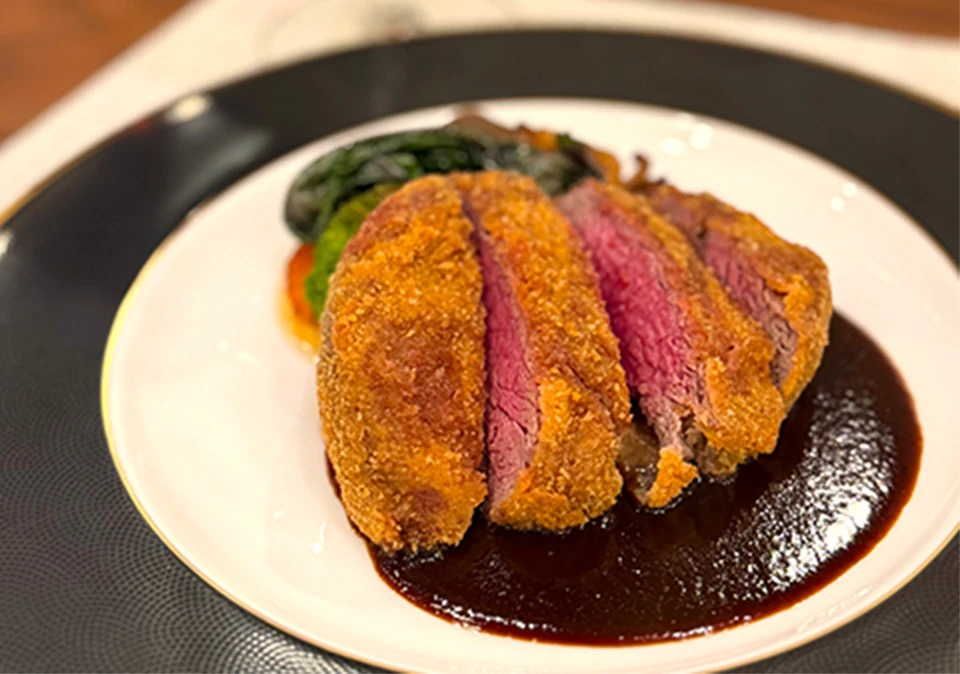
marronnier Shirokane-takanawa
marronnier's Revival Western-Style Japanese Course Menu
Head chef Masaki Akutsu
Pick Up
This special course is a limited-time offering from Western restaurant marronnier, reimagining early Showa-era menus with a modern twist. The theme is “nostalgia.” Beginning with seasonal vegetable mousse, followed by classic potato salad, an omelette made with Maruhō eggs, a clear consommé soup, pan-fried yellowtail, beef fillet cutlet, and finishing with pudding à la mode. Enjoy this “revived Western cuisine,” blending the warmth of Western dishes with the delicacy of French cuisine, crafted from carefully selected ingredients including organic vegetables from the local Tochigi region.
Pick Up
This bowl, said to have appeared during the An'ei era (1772-81) of the Edo period, was named after Asakusa nori seaweed, likened to “flowers of the shore.” At the time, it was a luxury ingredient coveted by Edo locals. At our establishment, we lavishly use first-harvested, sun-dried nori from Saga Prefecture, fully bringing out its rich aroma and flavor. We hope you will savor this elegant yet dignified taste of Edo, where the savory umami of the broth intertwines with the fragrant aroma of the nori.