



Japanese Cuisine / Sushi
About the reservation method
Reservations can only be made online through the TableCheck portal. Please note that phone reservations will not be accepted.
Tapping (or clicking) on a food image will allow you to view detailed information about the restaurant.
Explore by Genre
Explore by Special Features
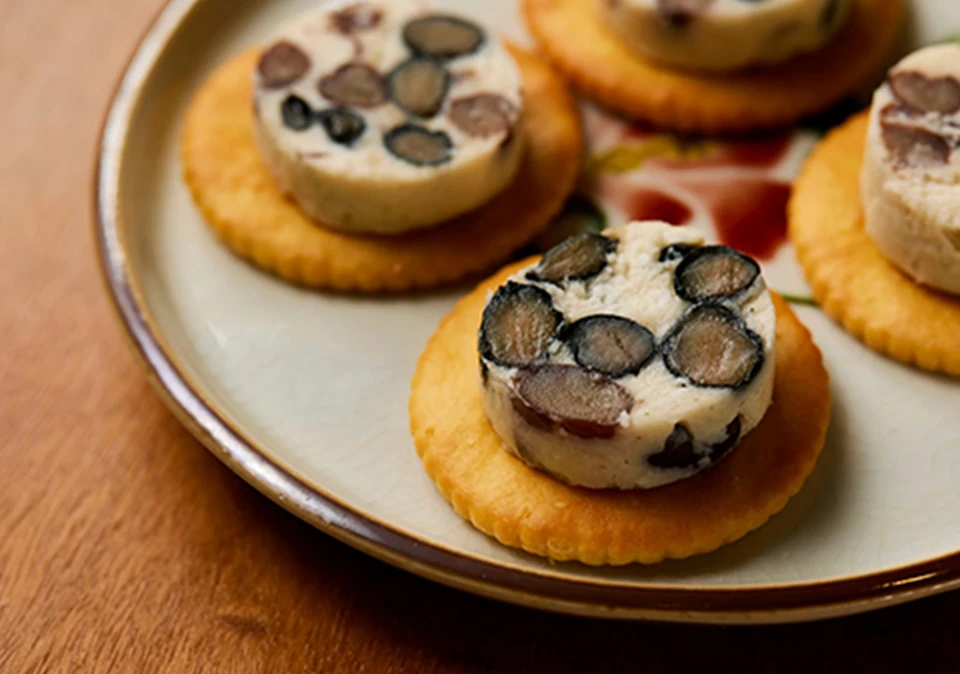
Akebonobashi Kazu Akebonobashi
Black Bean Butter
Head chef Kazuya Matsuo
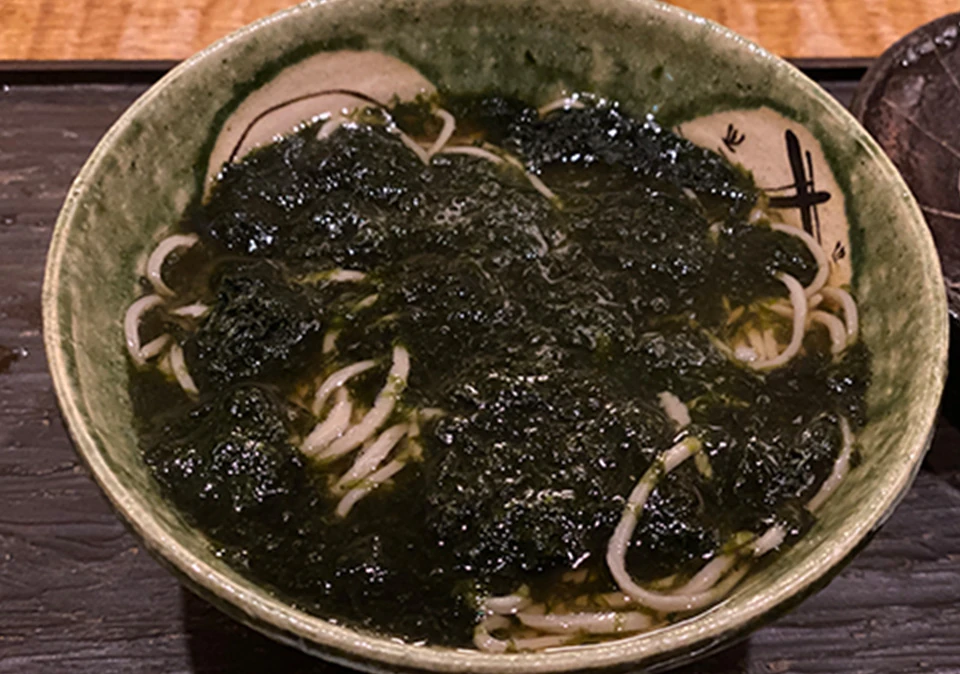
Asakusa Hirayama Tawaramachi
Hanamaki Soba
Head chef Shu Hirayama
Pick Up
Owner Shu Hirayama honed his skills at renowned Japanese cuisine and soba establishments like Ginza's “Kojū” and Ryōgoku's “Hosokawa.” His expertise shines through in dishes like perfectly seasoned nuta salad and simmered vegetables, crisp tempura, and the smooth texture of his 100% buckwheat soba. The deliciousness of the soba noodles, with their supple bite, goes without saying, but the real standout is the broth. Based on katsuobushi (dried bonito flakes) and enhanced with the umami of dried shiitake mushrooms, the broth offers a clear, deep richness that slowly and deeply satisfies.
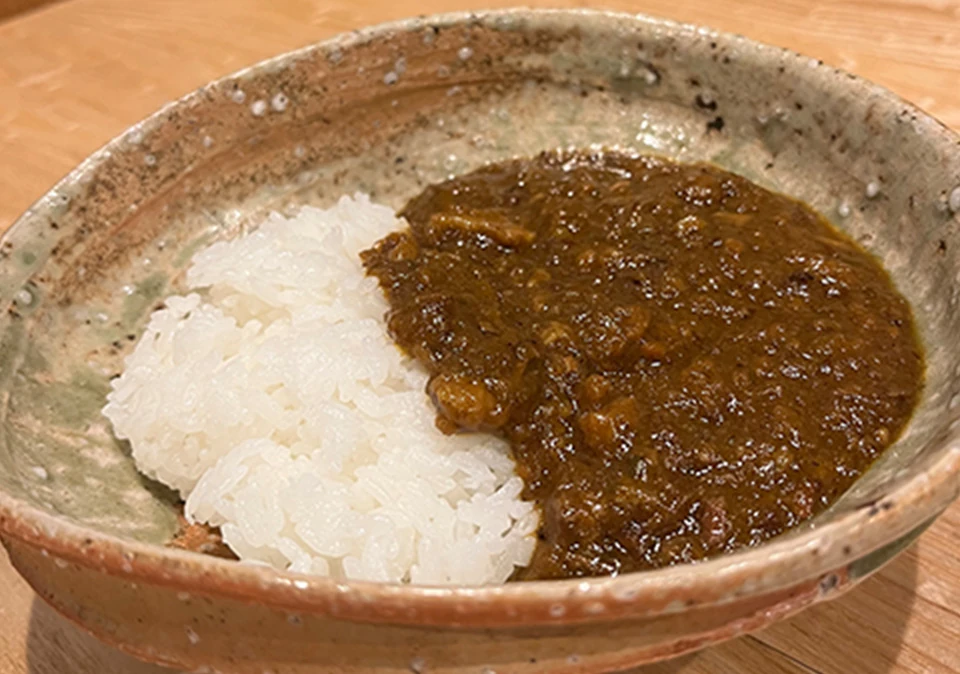
Itsuki yokka Yoga
Curry with Akaushi Beef Tendon
Head chef Tomoo Yonaha
Pick Up
Bliss arrives the moment you wash down your first beer with "Deep-fried lotus root chips seasoned with seaweed salt," then snack on the "Namero of the day" with warm Etsukaijin sake or soda-cut shochu. The "Black mentaiko" (spicy cod roe) is made from the recipe of "Gion Fu Mentaiko," where the chef once trained. The "Mejiro shrimp cutlet" comes directly from Chef Tatsuhiko Koga of "Shunkotei" in Meijiro, a regular patron during the restaurant's Akasaka days. Even the yuzukosho is homemade, using yuzu harvested at the Kumamoto home of one of the chef's friends.
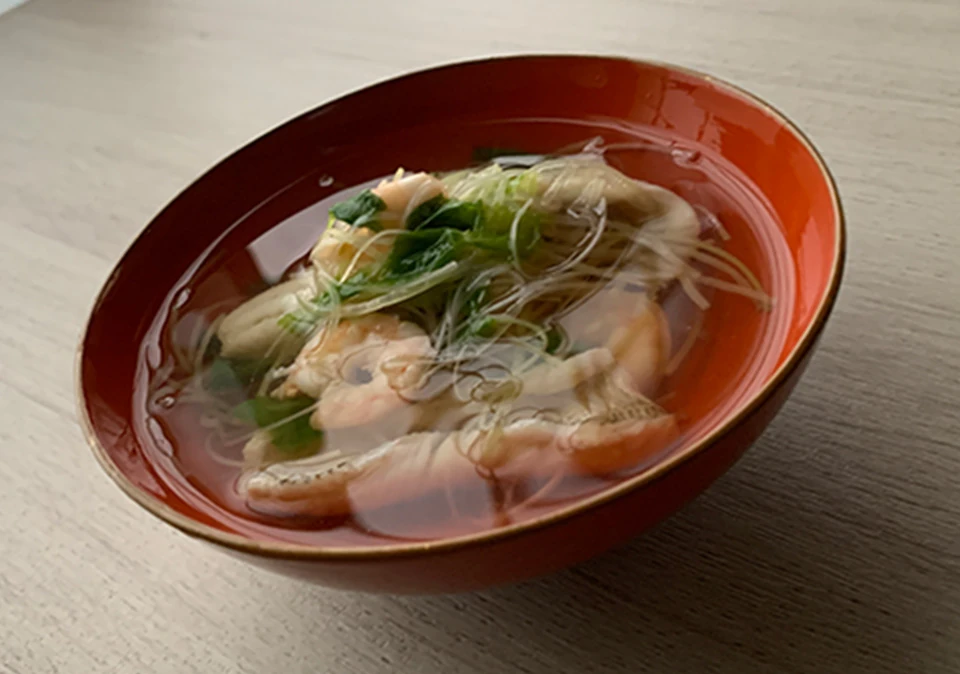
Edomae Shibahama Shinbakoen
Edo Okazuban-tsuke Course
Head chef Hiroshi Kaibara
Pick Up
While many high-end Japanese restaurants in Tokyo lean towards Kansai style cuisine, starting with Kyoto flavors, this is one of the few that proudly focuses on Edo-style cooking. "I became interested in Edo cuisine because I wanted to serve local dishes featuring shiba shirmp and Japanese sillago," says Mr. Kaibara. As he researched further, he was drawn to its diversity. By carefully preparing the broth using only katsuobushi (bonito flakes) and incorporating plenty of rice-koji in the Edo-style sweet miso, he pays attention even to unseen details, faithfully recreating the flavors of Edo.
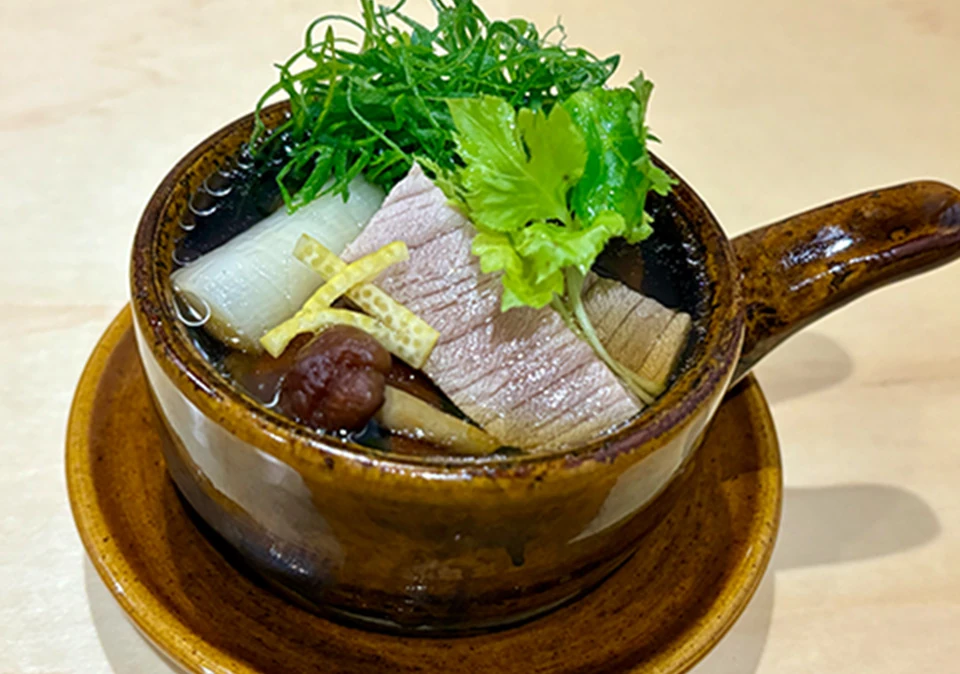
Oryori Horiuchi Akebonobashi
Negima Mini Hot Pot
Head chef Sayaka Horiuchi
Pick Up
Perhaps more than any other type of cuisine, Japanese cuisine has seen relatively few female chefs. It's a frustrating reality, yet Sayaka Horiuchi is steadily making a name for herself. Her signature dish is the local specialty from her hometown of Kofu, "Torimotsu ni." It features freshly prepared chicken offal simmered to tender perfection, achieving the delicate flavors characteristic of kappo cuisine. Even seemingly simply ingredients, like okara, are given careful attention, with some dishes taking up to two days to complete. Her dedicated approach and brisk, graceful presence are as refreshing as her cuisine itself.
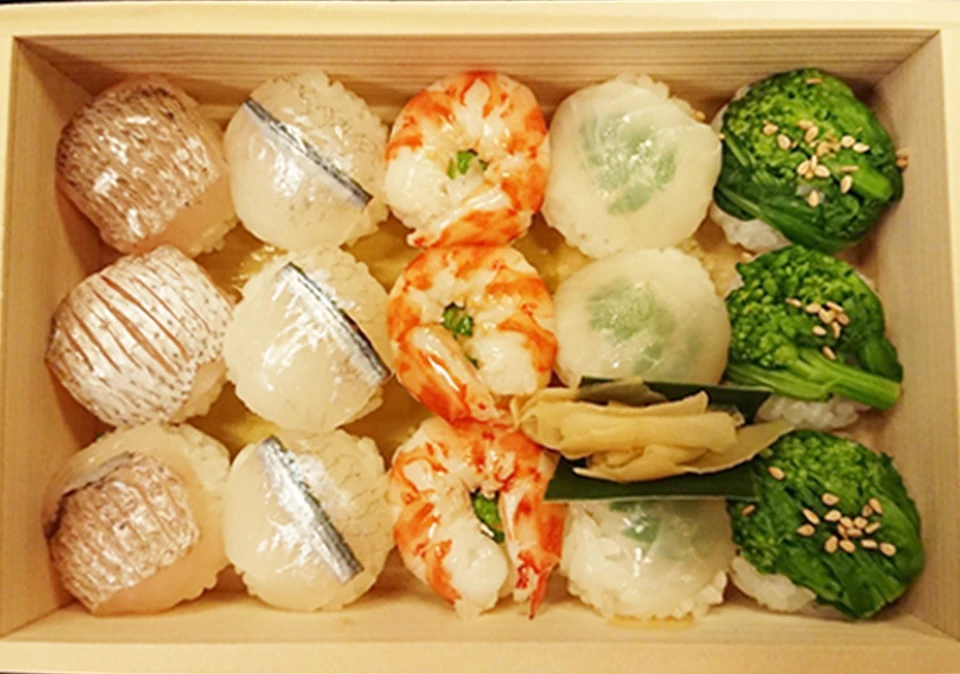
Tsujitome Akasaka-mitsuke
Experiencing Kaiseki: Moments of Handmade Balls and Tea Breaks
Head chef Tatsumi Fujimoto
Pick Up
If you wish to master Japanese cuisine in Tokyo, this is the restaurant you must visit first. Using seasonal ingredients. Bringing out their natural flavors. The spirit of kaiseki—consideration for the diner—becomes clear here. The sashimi course, where living cells deliver sweet, savory flavors to your tongue. The deep umami slowly unfolds, reaching its peak in the soup course: sea eel with burdock root, bearded rockfish with bamboo paper kelp, and pounded kudzu root. Simmered dishes where vegetables and fish meet their power: eggplant with abalone and herring, bamboo shoots with sea bream roe, and Japanese butterbur with rice octopus. Here lies a beauty that makes you sit up straight and contemplate the meaning of eating rice.
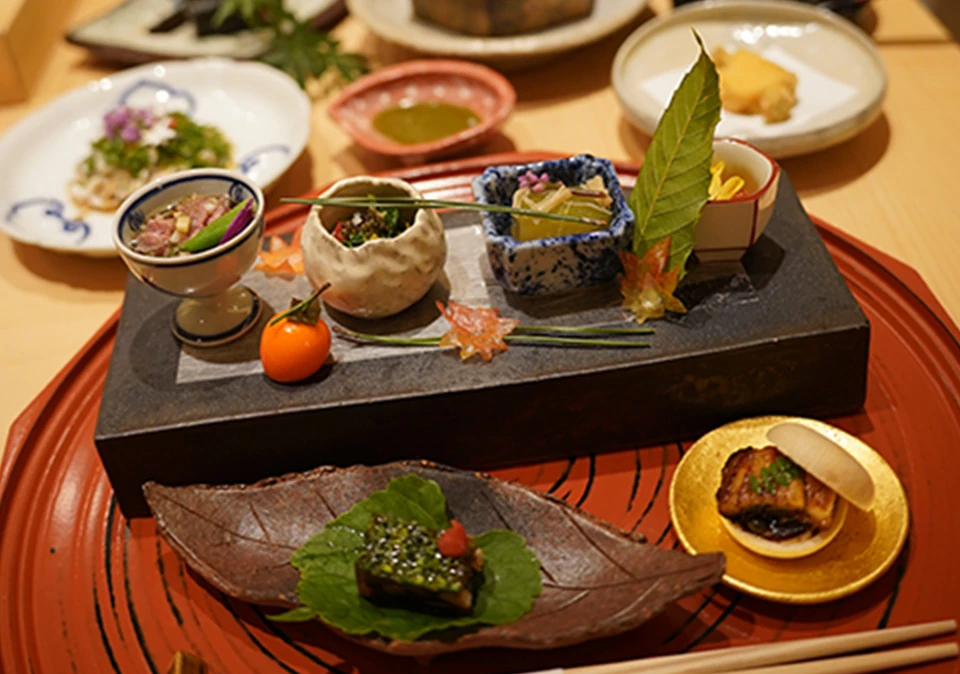
Kagurazaka Kurosu ushigome-kagurazaka
Restaurant Week Exclusive Course Featuring Our Famous Abalone Dishes (Ten Courses)
Head chef Hiroyuki Kurosu・Sato Keigo
Pick Up
In 2012, this little-known, but highly regarded Japanese restaurant opened tucked away in a back alley of Kagurazaka. Last October, it relocated nearby, close to Bishamonten Zenkokji Temple, and reopened with a fresh look. The interior, featuring a Hinoki cypress counter, is clean and refined, exuding a sense of understated elegance. True to this aesthetic, the cuisine embodies the principle of the "ultimate subtraction." Yet there's playful ingenuity as well. For example, the sashimi is served on a rock salt plate, allowing diners to enjoy it with the salt's natural flavor in place of soy sauce.
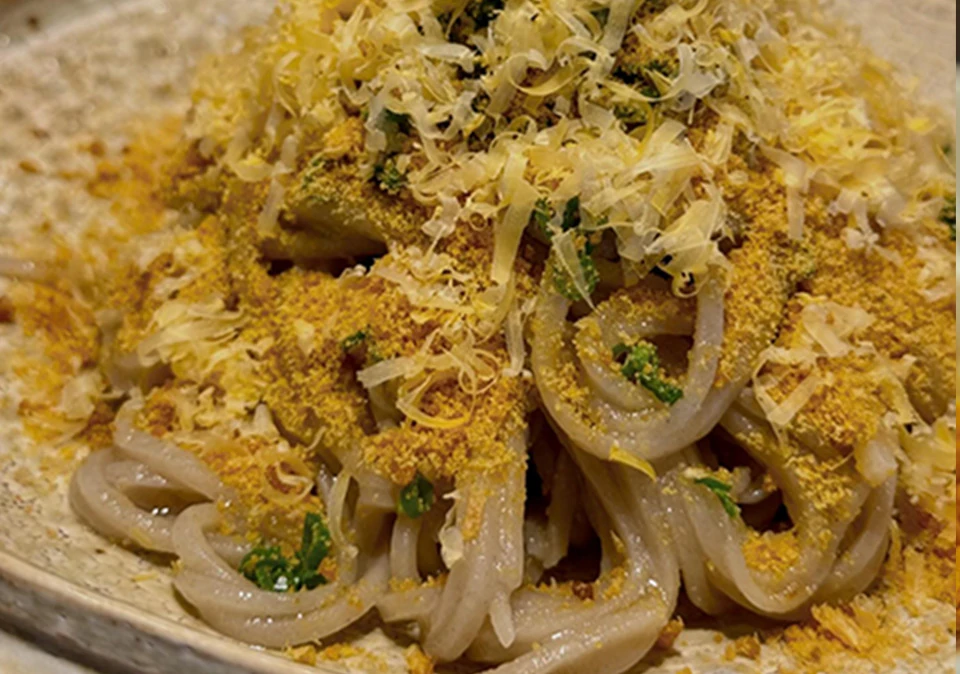
KIYOSUMISIRAKAWA HARADA Kiyosumi-shirakawa
Dried Mullet Roe Soba
Head chef Yasutaka Harada
Pick Up
An omakase course featuring approximately 11 dishes. The soba noodles are made with a 10:1 ratio of buckwheat flour to wheat flour, known as “gaichi.” Alongside seasonal dishes, the course includes “karasumi soba” (bottle gourd roe soba) that doubles as an appetizer. For the finale, diners can compare and savor soba made from various regional varieties—like Hokkaido's Kitawase and Fukui's Maruoka native strain—a delight for any soba enthusiast.
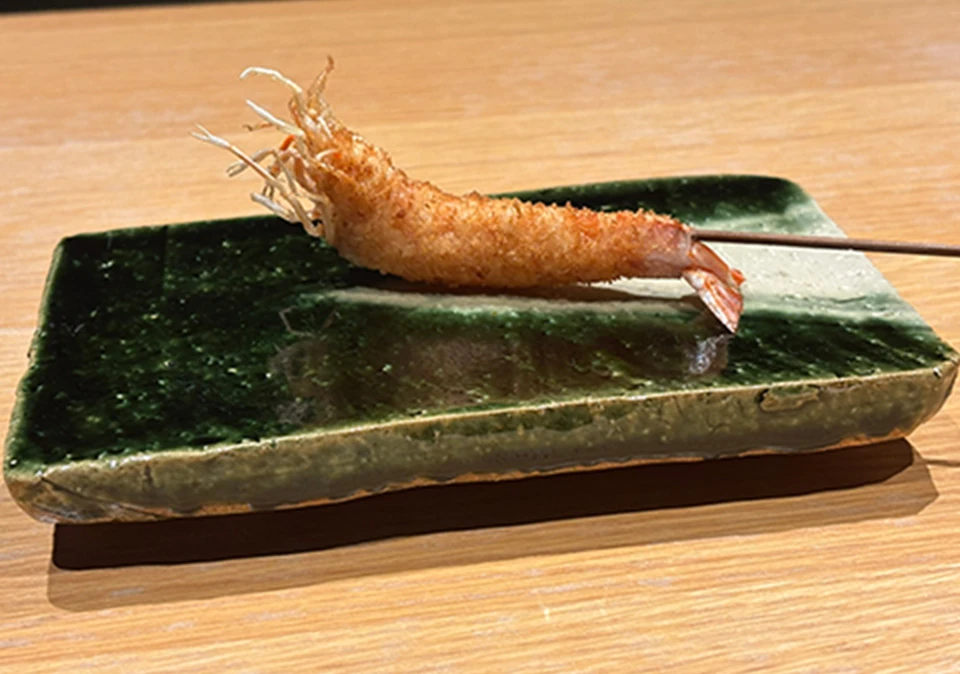
Kushiage Ryori Kawata Azabu-juban
Omakase Course
Head chef Yuki Kawata
Pick Up
A hidden gem for adults, illuminated in the night of Azabu-Juban, with just 8 seats. Chef Kawada, who honed his skills at a Michelin-starred restaurant in Fukuoka, has expanded to Tokyo. He elevates traditional Japanese culinary techniques to the art of kushikatsu. Skewers fried in ultra-fine custom breadcrumbs and 100% plant-based oil achieve astonishing lightness. Seasonal ingredients reflect the changing seasons, rising as delicate plates. The omakase course combines elegance and sophistication, accompanied by carefully selected fine wines. Beyond the boundaries of kushikatsu, it leads to a new realm of gourmet cuisine.
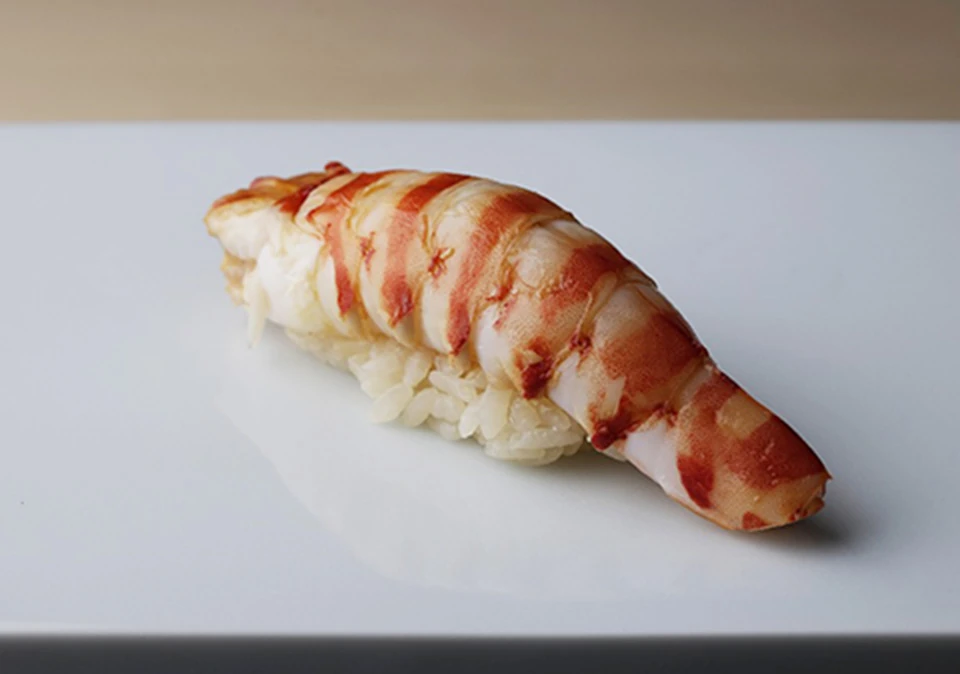
Sushi Kadowaki Ginza
Chef's Choice Course
Head chef Takatoshi Kadowaki
Pick Up
A sushi restaurant updating the pinnacle of traditional Edo-style techniques. The vinegared rice is crafted using one white vinegar and two red vinegars to achieve a flavor profile suited to every type of sushi. Fish is sourced after being meticulously bled and processed using nerve-pinching techniques, then undergoes further preparation. Nori is sourced as dried sheets of Ariake's first-harvest “seasonal nori” and roasted in-house. When you bite into a hand roll prepared with the rhythm of roll, bite, and cut, the aroma of the sea and umami explode in your mouth. The delicate art of heating miso-glazed tiger prawns, and the castella-style omelet with shiba shrimp and Japanese mountain yam, prepared by a female chef, show remarkable progress. They condense the latest approaches to fish with rapid seasonal changes, crafting supreme Edomae sushi.
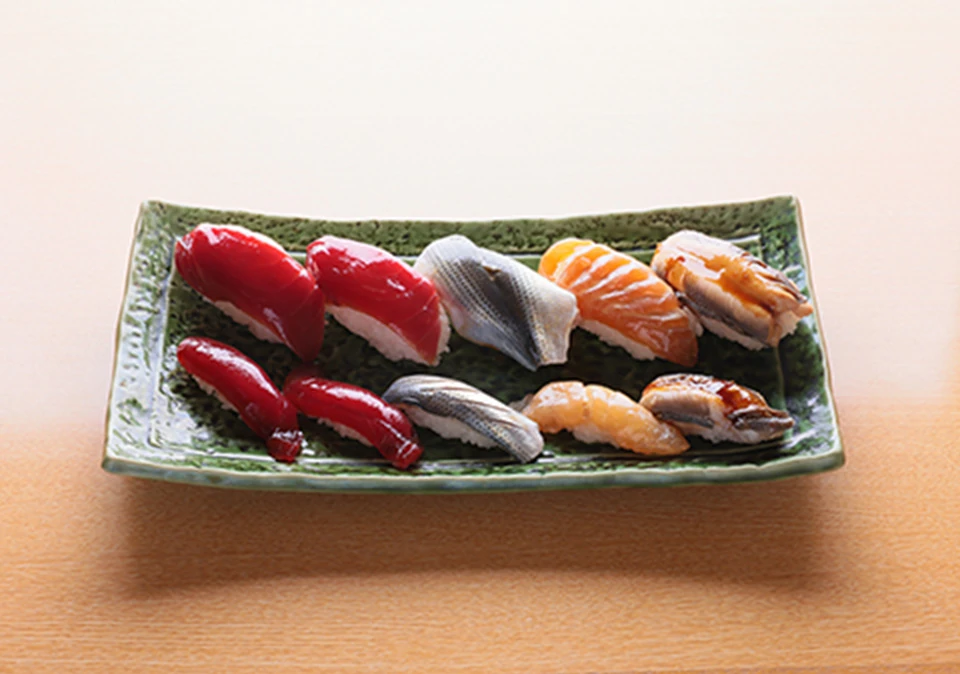
Sushi KARAKU Ginza
Oversized Edo-style sushi
Head chef Kiminari Togawa
Pick Up
As the sign at the entrance reads “Edo-style Sushi Research Institute,” owner Motonari Togawa preserves traditional Edo-style techniques. Yet he also adapts his craft to pair with wine, creating new nigiri. When paired with Madeira wine, conger eel or eel take on a new dimension: the fat, the simmering sauce, and the Madeira intertwine, amplifying their richness. Mr. Togawa has long been deeply knowledgeable about wine. He has worked at French domaines, and when domaine owners visit Japan, they come to dine here. It is precisely because of these deep connections that this flavor was born.
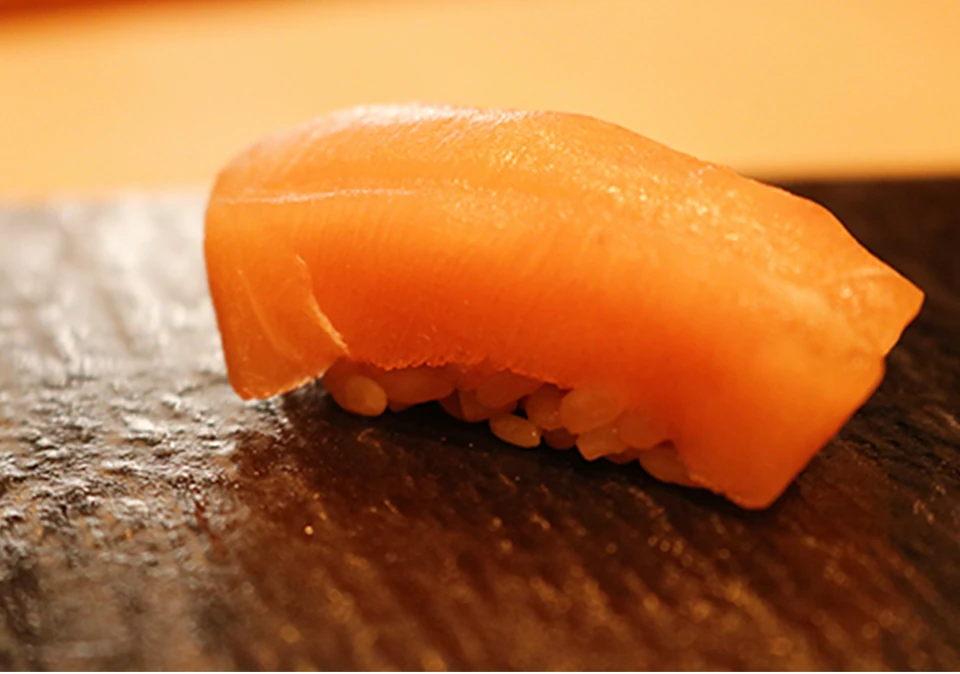
SUSHI DOKORO SHIKI Higashi-ginza
Omakase Course
Head chef Masafumi Yoshimura
Pick Up
Elegant in both aroma and sweetness, with a lingering aftertase, that is the aori ika (bigfin reef squid). The oni kasago (scorpionfish) has a subtle flavor, yet a captivating green, oceanic fragrace. The budai (parrotfish), with its crisp bite, releases a kelp-like umami the more you chew. The amadai (tilefish) excludes refined sweetness and aroma, while the kago kamasu (barracuda), offers a teasing flavor that clings to the tongue. The mejina (largescale blackfish) reveals a gentle sweetness from its firm, springy texture. The hokkigai (surf clam), lightly seared to draw out its fragrance, and the omon hata (marbled grouper), muscular yet leaving a lingering sweetnes and aroma as it goes down the throat, each piece of nigiri sushi here delivers a unique, unforgettable experience found nowhere else.
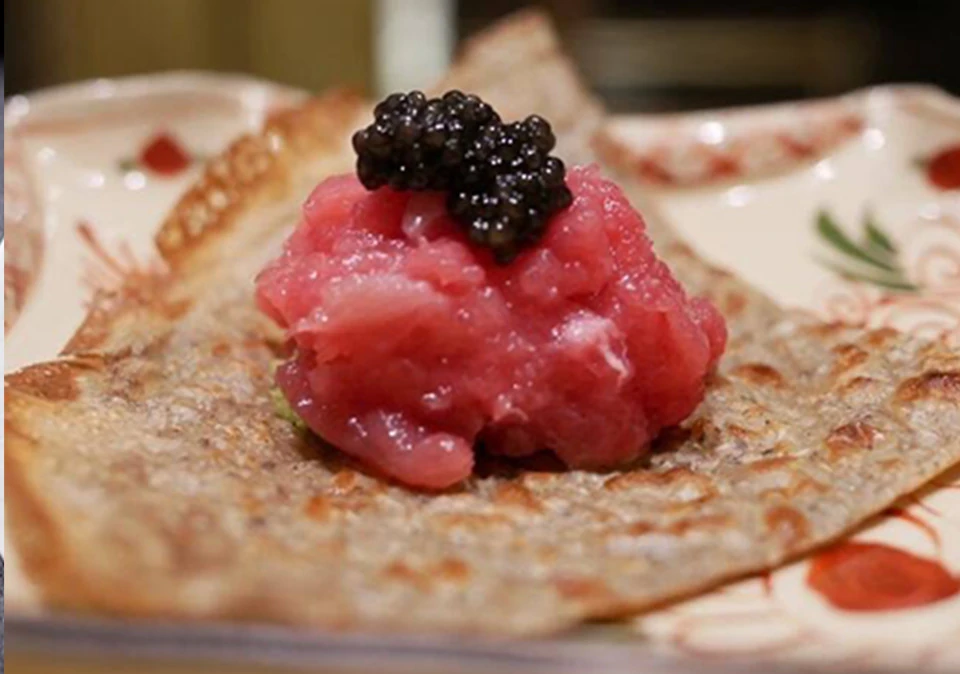
Soan Mitate Azabu-juban
Tuna and Caviar Galette
Head chef Koki Miura
Pick Up
The buzzworthy new spot in Azabujuban is “Soan Mitate.” True to its name, its specialty is freshly ground, freshly made, and freshly boiled soba noodles prepared right before your eyes. The soba, blended mainly from native varieties from Fukui and Toyama, features a gentle sweetness with a distinct grain character. But leaving after just the soba would be a waste. The veteran sommelier recommends pairing soba with champagne. You're sure to discover a new marriage of flavors.
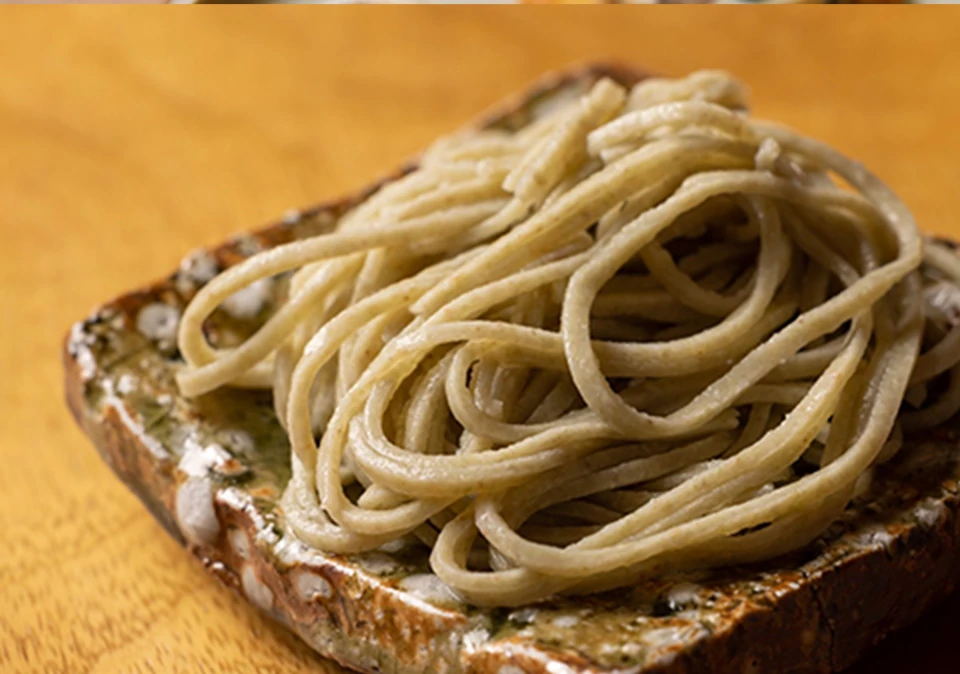
Soba Osame Mejiro
Spring Sprout Soba
Head chef Kenji Osame
Pick Up
The meal beings with textured sobagaki (buckwheat dumplings), followed by salt-boiled green soybeans, grilled miso, itawasa (fish cake with wasabi), and more, perfect companions for sake. As the mood builds, the climax naturally arrives, the soba itself. Owner Kenji Osame grinds several varieties of buckwheat fresh each day. By tasting two kinds of soba, you can clearly sense their distinct characteristics, the aroma, sweetness, and lingering aftertaste. Enjoyed plain or with just a pinch of salt, their personalities come vividly to life.
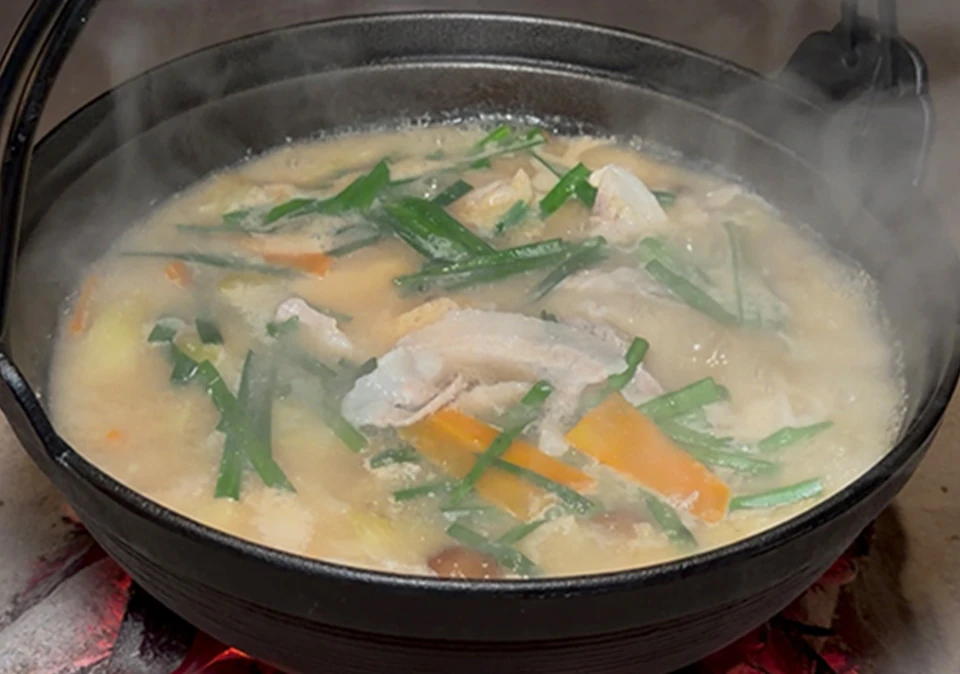
Tsurezure Nogizaka
Gently Grlled Seasonal Ingredients of the Day
Head chef Tomohiro Kameda
Pick Up
Tucked away in a quiet alley of Nishi-Azabu, this fully private restaurant welcomes only two parties per day. Guests gather around a central irori (traditional sunken hearth), where the chef and sommelier exclusively serve dishes prepared solely over charcoal. Seasonal ingredients sourced from across Japan are elevated through techniques such as steaming in seiro baskets, ash roasting, and simmering in pots, turning even the shifting aromas, sounds, and warmth into part of the experience. Watching the flicker of the charcoal while sipping sake, time seems to slip away. At this modern revival, a "Reiwa-era hearthside," diners can quietly savor a special evening of true indulgence.
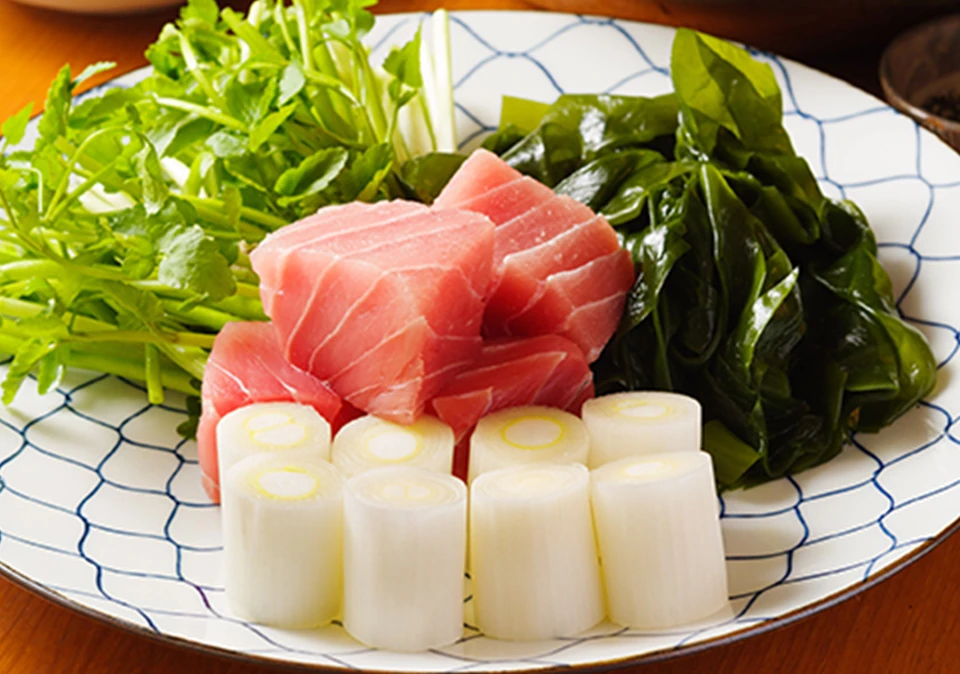
Negima Otsuka
Negima Hot Pot
Head chef Kimiyo Nagahashi
Pick Up
The Negima Nabe dates back to the Edo period, where fatty cuts of tuna, now known as toro, were once discarded or used as fertilizer. The common people, however, found a clever way to use them, and this dish faithfully recreates that for the modern day. Instead of kombu, the broth is made from plenty of sake and katsuobushi, with no added sweetness, only soy sauce for a clean, sharp flavor. In this broth, tuna collar and belly cuts are simmered and enjoyed together with the broth itself. To finish, the remaining broth is poured over freshly cooked rice, creating a simple yet delicious peppered rice. This is a dish that invites you to savor Edo-era sophistication.
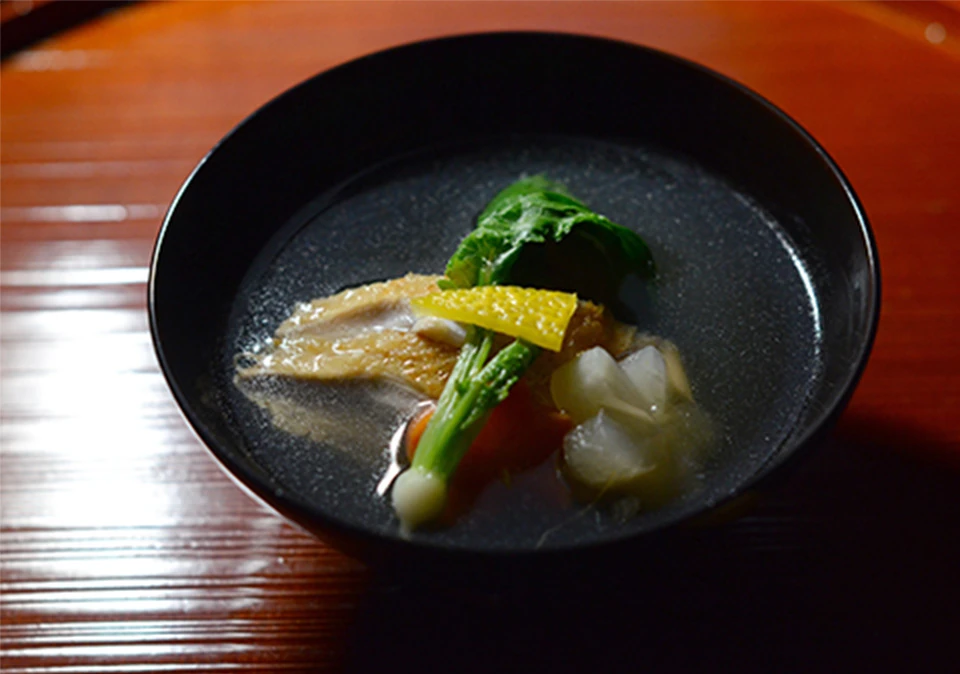
Nogizaka-Shin Nogizaka
Pheasant Soup with Mochi
Head chef Shinji Ishida
Pick Up
"Nogizaka-Shin" continues to evolve and deepen its craft. One key factor behind its growth is its collaborations with contemporary ceramic artists. The restaurant has hosted numerous special dining events where dishes are created to match the tableware made by each artist. There are only two rules at these events, "Only the flow of the menu will be shared in advance" and "The tableware will only arrive just before the event". Creating cuisine under such demanding conditions is no easy feat. For instance, in the dish "Parbroiled conger eel with roasted sake and steamed potatoes," the chef achieved an unprecedented pairing of hamo (conger eel) and potatoes. It is, without a doubt, one of the most dynamic kappo restaurants today.
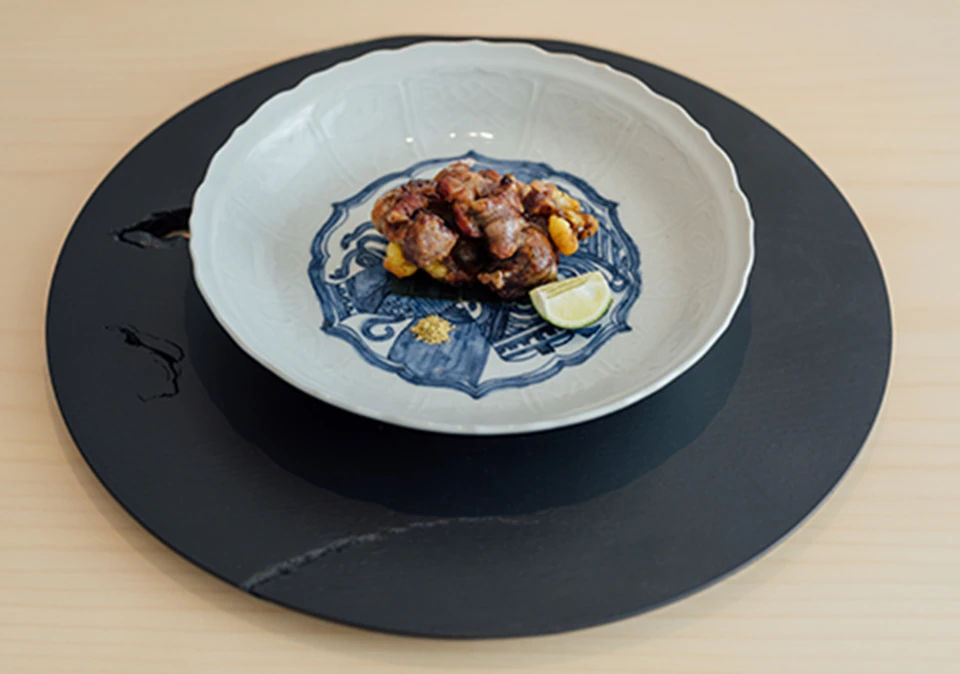
Higashiyama Muku Naka-meguro
Grilled Soft-Shelled Turtle
Head chef Tatsuki Mishima
Pick Up
Carefully selecting the best-quality fish from readily available varieties, the chef slices them with smooth, precise knife work, producing sashimi that is both sleek and satisfying. A chawanmushi made with Hokkaido Funka Bay hairy crab introduces mochi for a new texture. From the flow of Japanese cuisine comes a highlight: a hand-cut beef tongue hamburger, beautifully seared. The meal then returns to its Japanese roots with Handa somen noodles, offering a moment to pause before moving on to a curry with an ichiban dashi base. Finally, the dessert features konpeito (sugar candy) from "Ryokujuan Shimizu," inspired by the flavor of yogurt and evoking the taste of an Indian lassi.
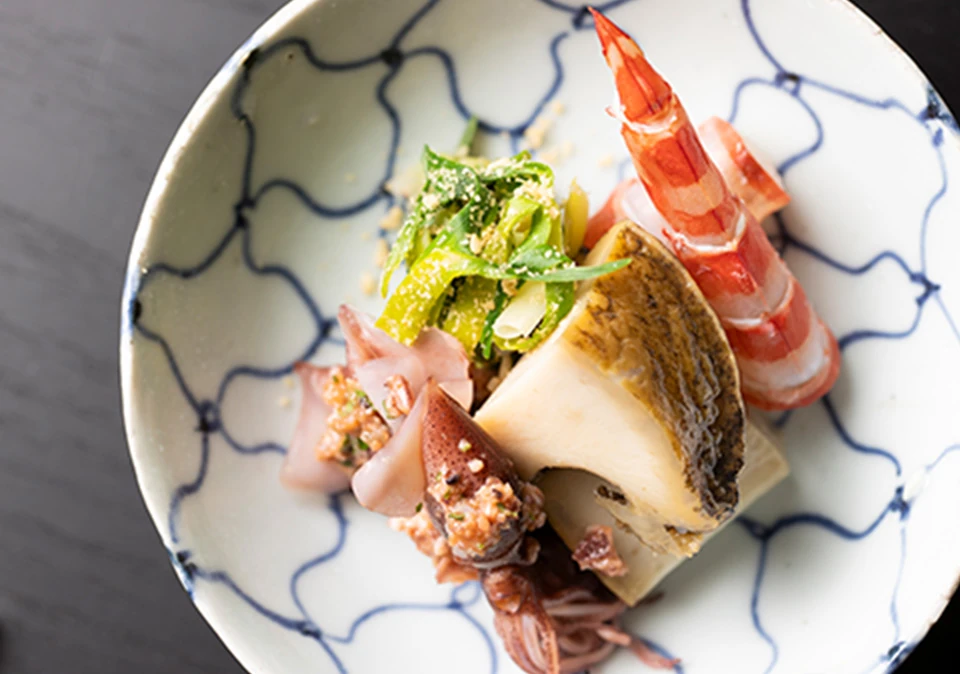
Hyakuyaku by Tokuyamazushi Ginza
A Restaurant Week exclusive course featuring our signature game dishes
Head chef Hitoshi Sato
Pick Up
Shiga's “Tokuyama Sushi” [Owner-Chef Hiroaki Tokuyama] oversees the cuisine, introducing aged sushi. That said, his influence isn't as pronounced as one might expect, so the real draw is likely Chef Hitoshi Sato's obsession with ingredients. The ingredients sourced nationwide are superb, and the stories behind them are equally compelling. Wild and sea-sourced ingredients. Yet it's precisely because he fully understands their individual character that his work elevates their deliciousness to another level. Using seasonal ingredients meticulously selected by a top-tier chef, he serves “Japanese cuisine that is both good for you and delicious” – surpassing a hundred medicines.
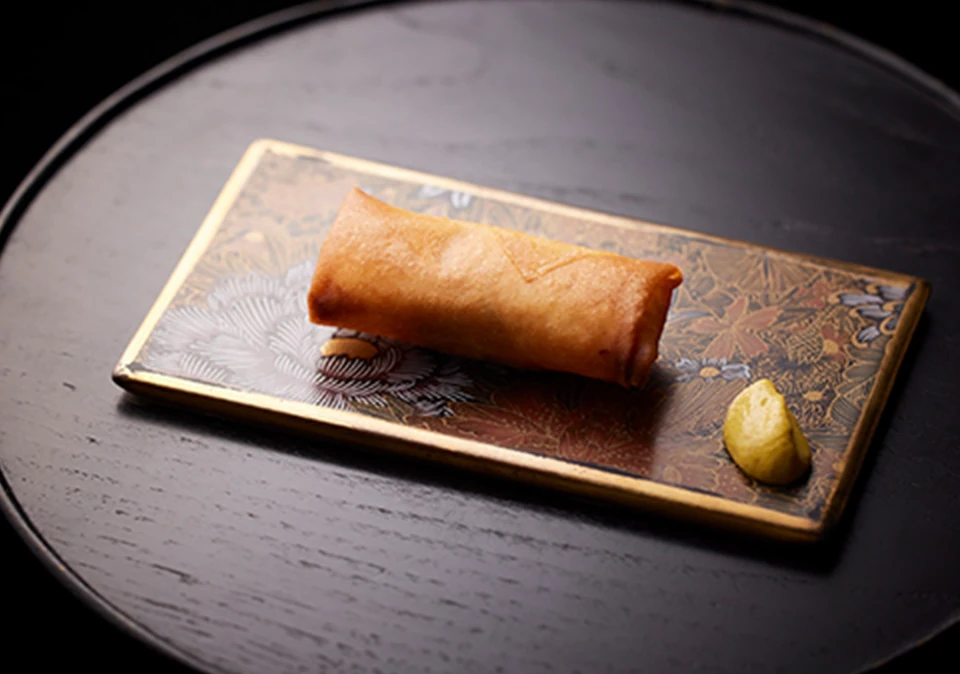
Heichan Mitsukoshimae
Hei-chan's Oden Spring Rolls
Head chef Yamato Neuchi
Pick Up
Their menu is exclusively an omakase course. After amuse-bouches and appetizers, the oden arrives, each piece carefully plated in a clear broth made from bonito and kombu. This style differes significantly from the traditional oden experience where you choose your favorite ingedients from a steaming pot divided into sections and eat while its still hot and steaming. It's a unique twist on a classic dish, one that bears the signature touch of a French restaurant, offering an interesting reinterpretation. The desserts are equally impressive, dazzling in both presentation and flavor.
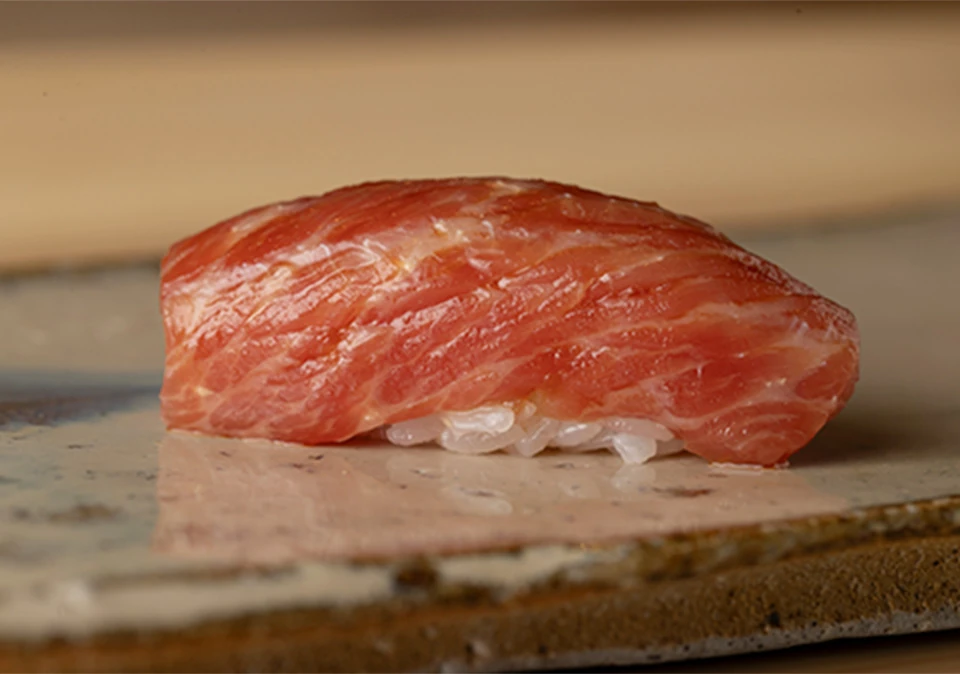
Mitsui Azabu-juban
Whale Tail Nigiri
Head chef Sho Mitsui
Pick Up
A good sushi restaurant must offer high-quality sushi, of course, but other elements are equally important. First, being a face-to-face business, the owner's character greatly influences the experience. Second is the beauty of the presentation, and third is the selection of sake. This restaurant excels in all three areas. The sushi is made with excellent vinegared rice, prepared using Mitsukan's Shirakiku vinegar. The chef's technique, slightly less salty than his master's, creates a gentle texture that dances on the tongue. The availability of rare offerings like whale sushi is also a plus.
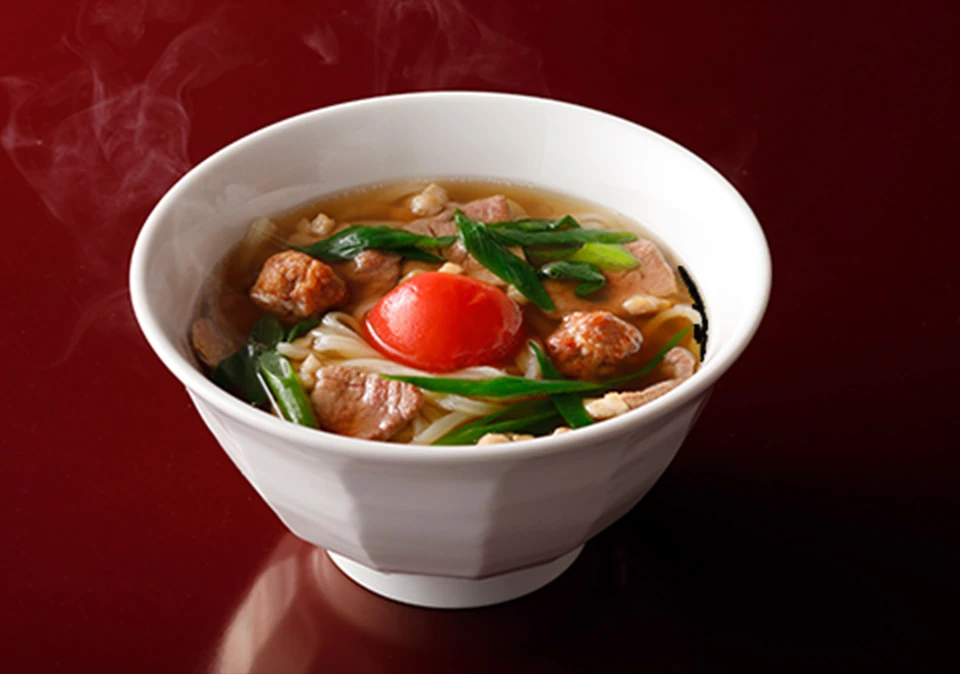
Mendokoro NAKAJIMA Akasaka-mitsuke
Duck Consommé Nanban Udon
Head chef Yuta Anzai
Pick Up
A new-sensation noodle restaurant helmed by Hotel New Otani's Executive Chef Shinsuke Nakajima. Using carefully selected ingredients sourced nationwide—such as premium dried bonito flakes from Kagoshima's Makurazaki and Kyoto's renowned spring water—he pursues the perfect broth and noodles for each dish. Enjoy harmonious bowls blending Japanese craftsmanship and premium umami, like the duck seiro topped with wood-fired duck breast or the wagyu beef udon. Here lies the luxury of noodles that graces your daily life while embodying hotel-quality refinement.
Pick Up
Just a 3 minute walk from Akebonobashi Station, this quietly tucked-away Japanese restaurant sits in a residential neighborhood. Chef Matsuo, trained in traditional Japanese cuisine, and Chef Komoriya, with a background in Western cooking, work hand-in-hand to create their dishes. The cuisine, built around seasonal ingredients, respects the structure of a traditional kaiseki meal while showcasing a warm, creative touch. Their signature clay-pot rice changes with the seasons, offering a simple yet deeply flavorful experience.This restaurant features around 20 types of sake, with a focus on exquisite kanzake (warmed sake). In its understated setting, the sincerity of the chefs' craftmanship and the essense of Japanese hospitality quietly shine through.